Most sellers build three license tiers the same lazy way. One site. Five sites. Unlimited sites. Same features every time. Same support. Just a bigger number.
Freemius, a licensing platform many plugin developers use, warns against this. Its own guide says it plainly: “Do not make the mistake of having the number of sites/licenses be the only difference between your plans.” A buyer who only runs one site never hits that ceiling. They stay on your cheapest plan forever. You lose the upgrade money three real tiers should bring in.
This guide shows you how to sell a WordPress plugin with multiple license tiers that actually earn their price gap. You’ll build three: Personal, Business, and Agency. You’ll use SureCart’s Prices feature, not Variants, to set a distinct license-activation limit on each one. Then you’ll add real gaps beyond site count. By the end, you’ll have a tier-split table and a five-step setup. You’ll also have a plan for when a buyer wants to move from Personal to Business.
Quick answer: To sell one WordPress plugin with multiple license tiers in SureCart, add three Prices to a single product. Name them Personal, Business, and Agency. Turn on licensing for that product. Set a distinct site-activation limit on each Price. Buyers pick a plan at checkout. You manage one product behind the scenes.
Why Most 3-Tier License Setups Leave Revenue on the Table
Site count alone gives a buyer no reason to pay more.
Here’s what’s wrong with the obvious approach. It prices site count, not worth. A buyer who only needs one site has no reason to pay more. A bigger number on a plan they’ll never use doesn’t change their mind.
Freemius names this problem in its own guide to selling plugins. “Do not make the mistake of having the number of sites/licenses be the only difference between your plans.” Freemius spots the mistake. It doesn’t show a fix. Neither does most of the other content on this topic. That’s the core problem with wordpress plugin license tiers today. It’s the gap this piece closes.
Say you sell ForgeCache, a WordPress caching plugin. It costs $59 a year, with a one-site activation limit. A buyer running a single blog buys it once. They never need a second site. A pricier “Agency” tier means nothing to them, even with a bigger number attached.
Site count still matters. More activations mean more support tickets. They also mean more license checks against your server. But site count is one lever, not the only one. Lean on it alone, and you cap what your best buyers will ever pay.
Fixing this starts with the system you build tiers on. SureCart gives you two features that look alike for this job. Only one of them is built for it.
Prices, Not Variants: The Mechanism Behind Multiple License Tiers in SureCart
Prices set license limits in SureCart. Variants don’t.
Variants don’t. You add three Prices to one product: Personal, Business, Agency. Then you set a distinct site-activation limit on each Price. Variants exist for a whole different job. They show size or color picks, not license rules.
SureCart’s own guide shows this system in use. It uses a plugin called Slideshow Pro as the case. One Price costs $39 a year, with a one-site activation limit. A second Price costs $99 a year, with a five-site limit. Both live on the same product. Two tiers, one product, two distinct activation limits. This piece extends that same system to three tiers instead of two.
Variants are a real SureCart feature. They solve a whole different problem: letting a buyer pick visible picks, like a T-shirt’s size or color. SureCart’s own Variants docs cover just that. They make zero mention of licensing, activation limits, or license keys anywhere on the page.
Here’s a simple way to picture it. A Price is a box for one deal: a dollar amount, a bill date, and now a license rule. A product can hold several of these boxes at once. One plugin, several Prices, each with its own activation limit.
We built SureCart’s licensing this way on purpose. A Price already holds a dollar amount and a bill rule for one deal. Adding a license rule to that same box was the natural fit, instead of a whole new licensing layer next to it.
SureCart license keys get made and sent right after checkout. They get checked through the link you set up in Step 4 below. That link works the same way no matter how many Prices or tiers you build. You only set it up once.
Designing 3 License Tiers That Actually Earn Their Price Difference
A site limit alone is a start, not a full plan.
A site-activation limit is a start. It’s not a full plan. The tiers that sell best add one more real gap: support level, bonus items, or a much higher cap. Not just a bigger number on the same feature set.
A personal, business, and agency license set-up needs more than three activation numbers. Here’s a workable set-up for a single plugin. Personal gets one site, for a solo blogger or small shop. Business gets five sites, for someone running a few sites or client sites. Agency gets an unlimited or high fixed number of sites. It’s built for a freelancer or agency reselling the plugin across client builds.
For ForgeCache, that could mean a $59 Personal plan at one site, a $99 Business plan at five sites with faster support, and a $199 Agency plan with an unlimited site cap and a white-label option for resale.
Site count alone still won’t carry three tiers. Pair each limit with something a buyer truly feels. Give Personal email-only support. Give Business and Agency fast support. Or add a bundle of premium extras above the entry tier.
One thing SureCart’s own licensing system won’t do for you: block which plugin parts each tier can use. SureCart’s licensing docs confirm only one thing can be set per Price, the activation limit. There’s no per-Price feature-unlock setting. Say you want Agency buyers to see a part Personal buyers don’t. Your plugin’s own code has to check the license tier and block that part itself. SureCart hands you tier splits at the price layer. You still build feature splits inside the plugin.
| Tier | Site-Activation Limit | What’s Different Beyond Site Count | Best For |
|---|---|---|---|
| Personal | 1 site | Email support only; core plugin parts | Solo bloggers and single-site owners |
| Business | 5 sites | Fast support; one bundled premium extra | Small teams running a few sites |
| Agency | Unlimited (or a high fixed cap, such as 50) | Fast support; white-label option; bulk activation reports | Freelancers and agencies reselling across client sites |
Use this as a start point, not a fixed rule. The site-activation numbers can move. The point stays the same: every step up should buy the buyer something beyond a bigger number. That’s the mistake Freemius warns against above.
Step-by-Step: Building 3 License Tiers on One SureCart Product
Five steps turn one product into three real tiers.
This is how you sell a WordPress plugin with multiple license tiers, on one product, not three. It takes five steps. Create the product. Add three Prices. Turn on licensing with a distinct activation limit per Price. Link your plugin’s check. Test all three tiers before launch.
Step 1: Create the product. Start a new product in SureCart. Fill in its title and text. Choose Digital if buyers pay once for the plugin. Choose Subscription if they pay on a repeat cycle for updates and support.
There’s no plain “Downloadable” or “Licensed” product type to pick here. Licensing gets turned on later, in Step 3. It’s a setting on the product, not a group you pick upfront. Look for a “Licensed Product” pick and you won’t find one. That’s expected. It doesn’t mean licensing isn’t there.
Decision rule: charge once for the plugin, and one-time pricing is right. Charge yearly for updates and support instead? That’s the more common model for paid plugins. Set the product up as a subscription in that case.
Step 2: Add three Prices to the product. Inside that same product, add three separate Prices, not three separate products. One for Personal. One for Business. One for Agency. Each gets its own dollar amount.
This is the step most sellers rush past. Build three products instead of three Prices, and you get three separate lists to keep up. You also get three separate license pools to track. Every time a text or screenshot changes, you have three spots to fix it.
Common mistake: making “ForgeCache Personal,” “ForgeCache Business,” and “ForgeCache Agency” as three distinct products. Keep it to one product and three Prices. The tier gaps live inside the Prices, not the product list.
Step 3: Turn on licensing and set a distinct activation limit on each Price. In the product’s Licensing section, turn on licensing for the product. Open each of the three Prices. Reset its activation limit: 1 for Personal, 5 for Business, a high or unlimited number for Agency.
This is the step that sets your license activation limit at the Price level, not just the product level. That’s what truly makes three distinct tiers. The product-level limit is only a base value. Resetting it inside each Price is what makes Personal, Business, and Agency act differently for the buyer who buys them.
Common mistake: setting the activation limit once at the product level, then guessing it applies differently per Price. It doesn’t. Each Price needs its own reset value.
Step 4: Link your plugin to SureCart’s license check. Add the WordPress SDK or API calls SureCart gives you. Your plugin uses these to check a buyer’s license key and site count against SureCart’s servers. SureCart’s own license and check docs walk through the exact code and settings. There’s no need to build that logic on your own.
Why it matters: without this step, your three Prices set what a buyer pays. But nothing in your plugin truly checks or blocks the site count they bought. Price and rule-checking are two split systems. Both need to link up before launch.
Step 5: Test the full buy-to-activation flow for all three tiers before you launch. Buy each Price yourself, or use a test mode if your account has one. Turn on the license on a live site. Confirm the limit truly blocks a site past the cap, once you’ve used up Personal’s or Business’s cap.
Decision rule: if a tier’s limit doesn’t block a site past the cap in testing, don’t launch that tier yet. Fix the check link from Step 4 first. A license tier that doesn’t hold its own cap isn’t a tier. It’s just a guess.
We say test every tier this way before you tell buyers it’s live, not just the one you think will sell most. A cap that doesn’t truly block a site past its own limit isn’t guarding the money you charge for it.
See What Native Licensing Saves You
SureCart marks License Key Management “Included” on its pricing page, at no extra cost. WooCommerce needs a paid add-on that runs $99 to $199 a year for the same job. Some other platforms charge $49 to $199 a month, plus a 3% to 7% cut on top.
See Full Pricing →
Letting Customers Move Between Tiers Later
Customers keep the same license key when they upgrade. Their site limit updates automatically.
When a buyer moves between Prices on the same licensed product, SureCart updates their existing license to match the new Price. There’s no need to issue another key or reset the site limit manually.
Each tier needs the correct activation limit. Set a default Activation Limit on the product, then open each Price and set its override under Advanced → Custom license activation limit. A Price without an override inherits the product’s default. If Personal and Business both inherit the same limit, switching between them won’t increase the number of sites the buyer can activate.
For example, a ForgeCache buyer moving from Personal to Business should go from one site to five sites on the same key. With upgrades set to apply immediately, that change takes effect once the upgrade payment succeeds, with proration applied.
For this setup, configure upgrades to apply immediately and downgrades at the next renewal. Buyers who downgrade can then keep their current tier until their paid billing period ends. An immediate downgrade can instead generate a prorated credit for unused time.
Before launch: set the activation limit on every tiered Price, confirm your subscription-change settings, and explain the timing clearly to buyers.
Common Mistakes to Avoid
Three mistakes show up again and again in plugin license setups. Catch them before launch, not after a buyer complains.
- Splitting tiers by site count alone. It’s the exact mistake Freemius warns against above. It’s also the easiest one to fall back into once you’re deep in SureCart’s Pricing tab.
- Never telling buyers how upgrades work. A buyer who doesn’t know what happens to their license will email your support inbox instead of clicking “upgrade.” That’s true any time they move up a license tier for their WordPress plugin.
- Treating Variants and Prices as the same thing. Variants pick a product’s visible options, like size or color. Only Prices carry a license activation limit in SureCart today.
Why SureCart Makes This Easier
Native licensing beats a stack of paid add-ons.
Selling a WordPress plugin with multiple license tiers doesn’t need a whole separate license-manager plugin. It doesn’t need a stack of paid extras bolted onto WooCommerce either. SureCart builds License Key Management into every plan on its pricing page. The tiers you just set up run on the same system you already use to sell the plugin itself.
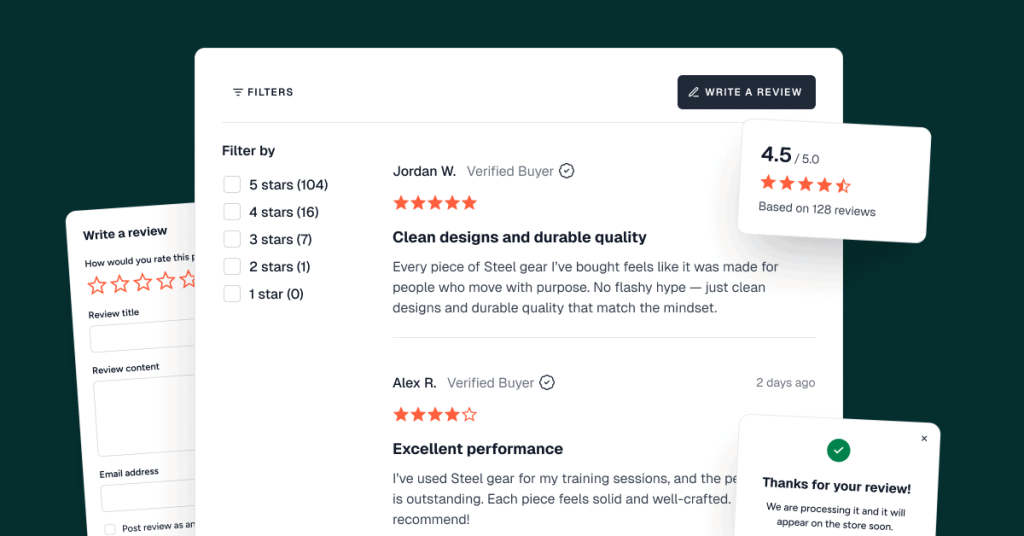
That matters most when something breaks during setup. One SureCart user on WordPress.org, going by “strobes,” gave the plugin 5 stars. They called the support “outstanding” and “genuinely exceptional” (WordPress.org reviews, 2026). Say a license or activation setting doesn’t act the way this guide says for your account. That’s the support line to use. Check there before you think your own setup is wrong.
SureCart’s plugin also sits at 4.8 out of 5 stars across 283 reviews, with 80,000+ active installs.
Weighing SureCart against Easy Digital Downloads for a licensed plugin? SureCart’s own comparison page walks through how the two handle licensing, and everything else, side by side. And if you followed the ForgeCache example above, this same setup scales the same way whether you’re on Launch or a paid plan.
Read the Full Licensing Setup Guide
This piece assumes you’ve already turned on basic licensing in SureCart. If you haven’t, start with SureCart’s own licensing guide first. Then come back to build your three tiers on top of it. Read the Guide →