Pricing is no longer just about picking a number and hoping it converts.
Modern eCommerce businesses win by responding to user behavior, cart context, and intent in real time. That’s exactly where dynamic pricing steps in — not as a gimmick, but as a serious revenue lever.
With SureCart Dynamic Pricing, you’re not changing prices randomly.
You’re defining rules that automatically adjust fees, discounts, or pricing based on who the buyer is and how they behave at checkout.
This blog breaks down 25 proven dynamic pricing use cases, grouped by goal, so you can immediately see what applies to your business.
Why Static Pricing Is Quietly Hurting Your Store
Most stores treat every buyer the same:
- First-time visitors
- Loyal repeat customers
- High-intent bulk buyers
- Students, affiliates, or partners
Same price. Same experience.
That’s a missed opportunity.
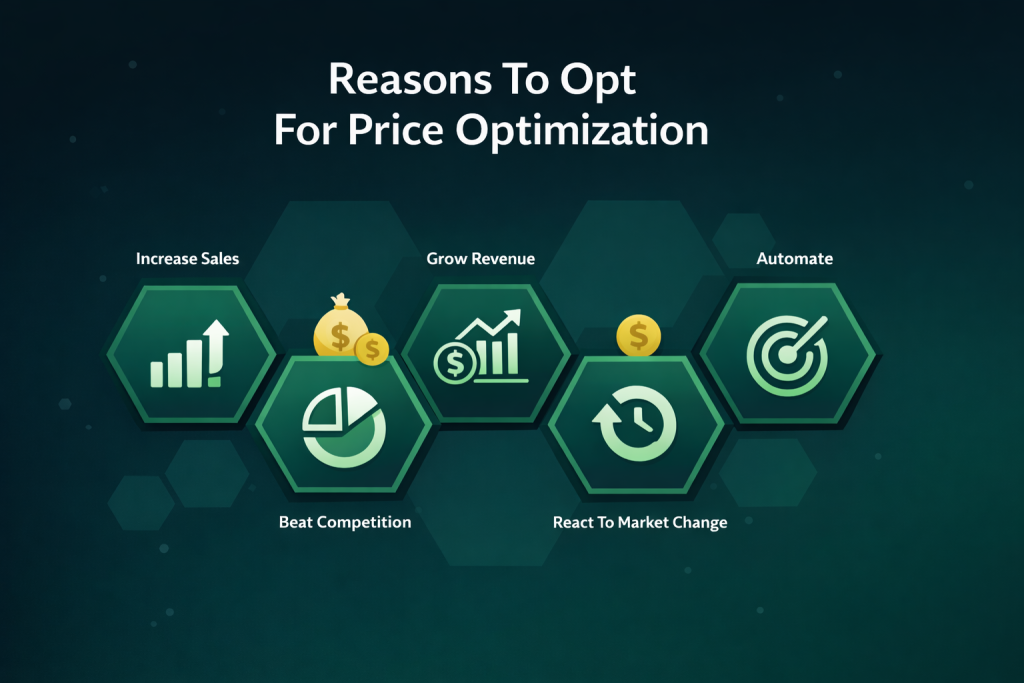
Dynamic pricing allows you to:
- Reward loyalty without coupons
- Increase AOV automatically
- Clear inventory without store-wide sales
- Personalize checkout experiences without custom code
How Dynamic Pricing Works in SureCart (Quick Context)
At a high level, SureCart lets you:
- Define conditions (cart value, customer history, product data, metadata, email domain, quantity, etc.)
- Apply actions (percentage discount, fixed discount, additional fee)
- Stack or combine rules logically
No custom development. No fragile workarounds.
1. Loyalty & Retention-Driven Pricing (Reward the Right Customers)

These use cases focus on recognizing past behavior and turning it into repeat revenue.
Key Use Cases
- Order count > 20 → 20% off
Reward long-term customers automatically. - Returning customer → exclusive discount
Makes loyal users feel “seen” without a loyalty plugin. - High lifetime spend → special pricing tier
Protect your best customers from churn. - Repeat buyer gets better pricing than first-time buyer
Subtle, powerful retention lever.
Why it works:
Loyalty discounts applied automatically outperform coupon-based systems because there’s zero friction.
2. Cart Value & AOV Boosting Rules (Make Bigger Carts the Default)
Dynamic pricing is one of the cleanest ways to increase AOV without upsell fatigue.
Key Use Cases
- Subtotal > $500 → 20% off
Encourages customers to add “just one more item.” - Quantity-based discounts (buy more, pay less)
Ideal for physical goods, bundles, or licenses. - Line item quantity thresholds → dynamic price drop
Perfect for B2B or wholesale-style stores. - Bulk buyers get pricing advantages automatically
No separate pricing pages needed. Just as understanding How AI Cold Calling Works helps businesses automate their outreach to high-volume prospects, dynamic pricing helps automate the conversion of high-volume orders.
Why it works:
Customers self-optimize their cart when the incentive is clear and instant.
3. Inventory, Clearance & Product-Specific Pricing
Instead of blanket sales, dynamic pricing lets you discount only what needs to move.
Key Use Cases
- Product group = “Clearance” → 30% off
Aggressive discounts without site-wide sales. - Product metadata contains “eco-friendly” → 15% off
Promote specific product values. - Low-priority SKUs get automated discounts
Clear slow-moving inventory silently. - Category-based pricing strategies
Different margins, different rules.
Why it works:
You protect margins while still running effective promotions.
4. Audience-Based & Identity-Driven Pricing
This is where personalization becomes tangible.
Key Use Cases
- Email domain = student.edu → 30% off
Built-in student pricing without verification tools. - Partner or internal email domain → special rate
Clean internal or B2B pricing. - Affiliate-referred users get custom pricing
Incentivizes promotion without coupons. - Region or customer metadata-based pricing
Adapt pricing across markets.
Why it works:
People convert faster when pricing feels “meant for them.”
5. Fees, Risk Management & Operational Pricing
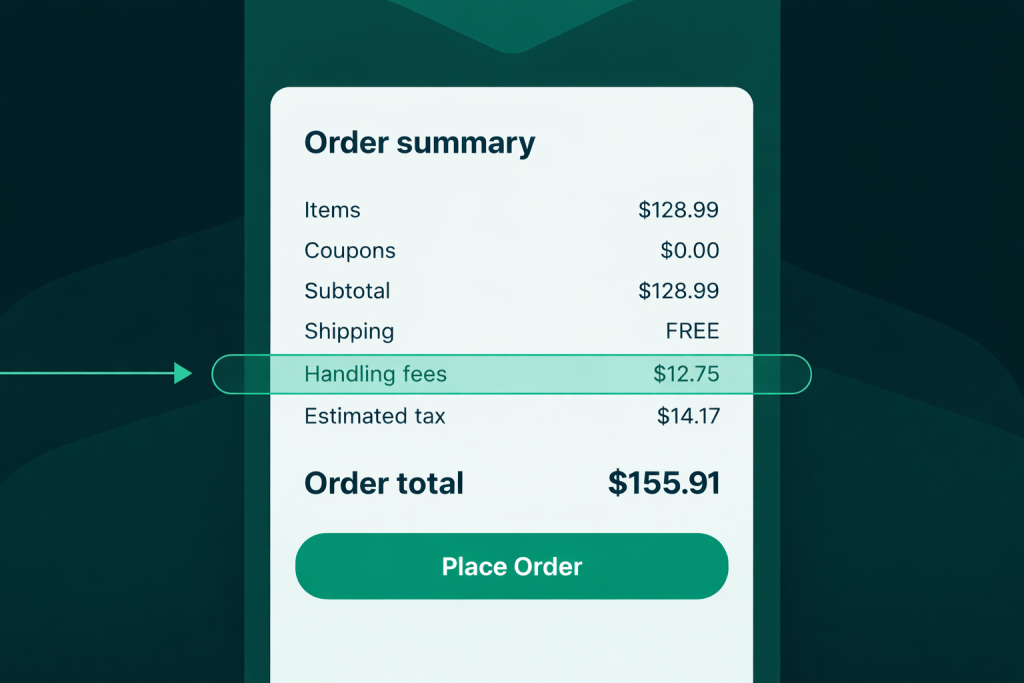
Dynamic pricing isn’t only about discounts — fees matter too.
Key Use Cases
- Small cart fee for low-value orders
Protects margins on tiny purchases. - Heavy product fee based on weight
Avoids shipping losses. - Rush or priority handling fees
Monetize urgency. - Payment-method-specific fees
Offset gateway costs dynamically.
Why it works:
Costs are passed fairly and transparently, only when applicable.
6. Smart Promotions Without Coupon Chaos
Coupons are leaky. Dynamic pricing isn’t.
Key Use Cases
- Auto-apply promotions during sales events
No codes. No misuse. - First-time buyer incentives without coupons
Cleaner attribution and tracking. - Limited condition-based discounts
Controlled promotions without coupon sharing. - Stacked logic: discount + fee adjustments
Advanced pricing scenarios. - Context-aware pricing for specific checkout flows
Precision over volume.
Why it works:
You control who gets the deal — and when.
To align these promo rules with CRM, data enrichment, engagement, and analytics, build a stack of sales operations tools that connects pricing logic to customer data and workflows – keeping discounts, fees, and eligibility consistent, trackable, and scalable across your revenue engine.
When Dynamic Pricing Delivers the Biggest ROI
Dynamic pricing performs best when:
- You sell subscriptions, licenses, or bundles
- You care about AOV, LTV, and retention
- You want fewer plugins and fewer edge-case hacks
- You want pricing logic that scales with your business
Final Thought: Pricing Is a Growth System, Not a Number
Most stores underperform not because of traffic — but because pricing stays static while user behavior evolves.
Dynamic pricing flips that.
Instead of asking: “What should this product cost?”
You start asking: “What should this customer, at this moment, pay?”
And that’s where real growth begins.