From January through September 2026, the SureCart team shipped 42 public release updates across the product. Behind those releases are major capabilities, hundreds of refinements, and a steady stream of fixes that make each capability dependable. Every change starts with the same question: what is making it harder for a merchant to build, sell, or grow?
This story follows those changes through the problems they solve, and shows how SureCart has grown from checkout software into a broader commerce operation for WordPress. It also reflects our product philosophy: major commerce capabilities should not require merchants to pay upfront or assemble a large budget before they can start building.
2026 at a Glance
| Product area | What changed in 2026 |
|---|---|
| Conversion | Dynamic Pricing, order bumps, reviews, login at checkout |
| AI and automation | Abilities API, MCP actions and filters, Custom GPT support |
| Global commerce | Razorpay, address autocomplete, regional pricing, tax clarity |
| Physical commerce | Dimensions, parcels, Shippo, warehouses, tracking, labels |
| Store operations | Data Views, faster navigation, imports, starter sites |
| Foundation | Performance integrations, compatibility, accessibility, security |
Across SureCart’s public What’s New archive and the WordPress.org plugin changelog, you can see our year-to-date story as a team: how we kept removing friction from the merchant journey, one product request, support conversation, and engineering problem at a time. It is not just a list of version numbers; it is a record of how we build, listen, and improve.
The shape of the year is clear: 42 public release entries from January through September, an average of 4.7 releases each month, and a median of six days between releases. That pace gave us room to respond to what merchants were asking for, move major capabilities forward, and keep returning to the details that make them reliable.
Three major merchant outcomes in just one year
The releases moved SureCart in three connected directions:
- Sell with more flexibility: Dynamic Pricing, order bumps, bundles, reviews, regional pricing, and new payment options give merchants more ways to present and convert offers.
- Operate with less friction: Data Views, imports, shipping workflows, reports, AI-connected actions, and faster admin navigation bring more daily store work into one place.
- Grow with more confidence: subscriptions, customer accounts, tax clarity, compatibility, accessibility, performance, and security make the platform more dependable as stores become more complex.
That is the through line of the year. SureCart did not only add more commerce features. It connected the work of selling, operating, and growing a store.
January to September: the release journey
Before the thematic sections, here is the compact sequence of releases that shaped the year. Each month added a visible capability and moved the platform closer to a more complete merchant workflow.
| Month | Key release focus | What it moved forward |
|---|---|---|
| January | Dynamic Pricing; required Tax/VAT ID | More flexible offers and clearer tax collection |
| February | Razorpay; recurring cart and order-bump improvements; Product Reviews; product dimensions | Broader payment coverage, conversion tools, and physical-product data |
| March | Parcels; branding; affiliate and referral workflows | Fulfillment setup and more reliable attribution |
| April | Abilities API; MCP; Address Autocomplete; Variant Downloads | Extensible store operations, better checkout data, and digital-product delivery |
| May | WooCommerce product import; recurring UPI | Safer migration and recurring payments in India |
| June | Checkout login and one-time access codes; order bumps; custom-amount invoices | Less friction at checkout and more flexible selling |
| July | Regional pricing; Data Views; Product Bundles; MCP filters | International selling, faster admin work, and packaged offers |
| August | WordPress 7.1 compatibility; Shippo rates and labels; warehouses; tracking | More dependable shipping and platform compatibility |
| September | Variant selection; full Data Views; SPA navigation; bulk labels; stacked taxes; starter sites; performance integrations; Custom GPT and ChatGPT | Faster operations, physical commerce, easier onboarding, and connected store management |
Major product updates: the problems we solved
The table below is the map of the year. The sections that follow turn that map into a story: why each area mattered, what we changed, and what those changes made possible for merchants.
Major product update map
| Product subject | Representative 2026 work |
|---|---|
| Conversion and revenue | Dynamic Pricing; slide-out-cart and redesigned order bumps; custom-amount invoices; post-purchase upsell tracking; Product Reviews; affiliate tracking. |
| Checkout and customer identity | Login prompt and one-time access-code login; checkout form duplication; variant choice in forms; better field, focus, phone, and PayPal behavior. |
| Payments and global commerce | Native Razorpay for India; recurring UPI; currency switching; address autocomplete; country-aware location capture and pricing. |
| Tax, receipts, and compliance | Required VAT/Tax ID; EU Helper one-click activation; stacked taxes; custom tax labels; contextual Tax ID placeholders; clearer receipt wording. |
| Product catalog and variants | Modern Products & Collections views; WooCommerce product import; variant downloads; dimensions; variant selection in product lists; migration safeguards. |
| Bundles and merchandising | Product Bundles; conditional price rules; product-list patterns; collection syncing; media/shortcode improvements; starter-site onboarding. |
| Shipping and fulfillment | Parcel templates; Shippo rates and labels; warehouses; package-aware fulfillment timeline; customer tracking; bulk label purchase. |
| AI, MCP, and extensibility | Abilities API; MCP Server; advanced record filters; Custom GPT store management; developer filters and hooks. |
| Subscriptions and customer lifecycle | Reminder rescheduling; subscription reports; pause-state clarity; renewal safeguards; customer-dashboard actions; better handling of missing or past-due subscriptions. |
| Admin operations and reporting | Modern Data Views across admin; SPA-like navigation; import/export actions; Email History; Taxes report; payout workflows; Learn and onboarding. |
| Performance, compatibility, accessibility, and security | Cache integrations; query and block-registration speed; WordPress 7.0/7.1 support; Bricks, Elementor, WooCommerce, TutorLMS, and Astra coverage; accessibility, SEO, and permission hardening. |
How our engineering team kept the momentum reliable
The public release count is only the visible part. Underneath it is a prioritization loop: requests from merchants, support tickets, compatibility reports, and security findings are turned into work, shipped, tested, and revisited. That is why this year contains both headline launches and the small changes that make those launches behave properly.
What the release pattern tells us
- Feature requests became product work: new revenue, pricing, review, AI, payment, catalog, fulfillment, and store-operation capabilities.
- Feature waves were followed by productization: onboarding, editor previews, clearer labels, documentation, starter sites, and migration paths that make complex systems usable.
- Platform work kept pace with the surface: Data Views, client-side navigation, query improvements, block metadata, translation-catalog reduction, and cache-aware behavior.
- Compatibility was part of shipping: WordPress 7.0 and 7.1 readiness plus coverage across Bricks, Elementor, WooCommerce, TutorLMS, Astra, browsers, mobile layouts, and payment providers.
- Security and quality were continuous: accessibility, SEO controls, permission boundaries, account-creation safeguards, import hardening, and security fixes were handled throughout the cycle.
Major product updates: built around merchant problems
Conversion and revenue
Why this update mattered: Merchants need more ways to improve revenue without duplicating products, building separate checkout flows, or adding another tool for every new offer.
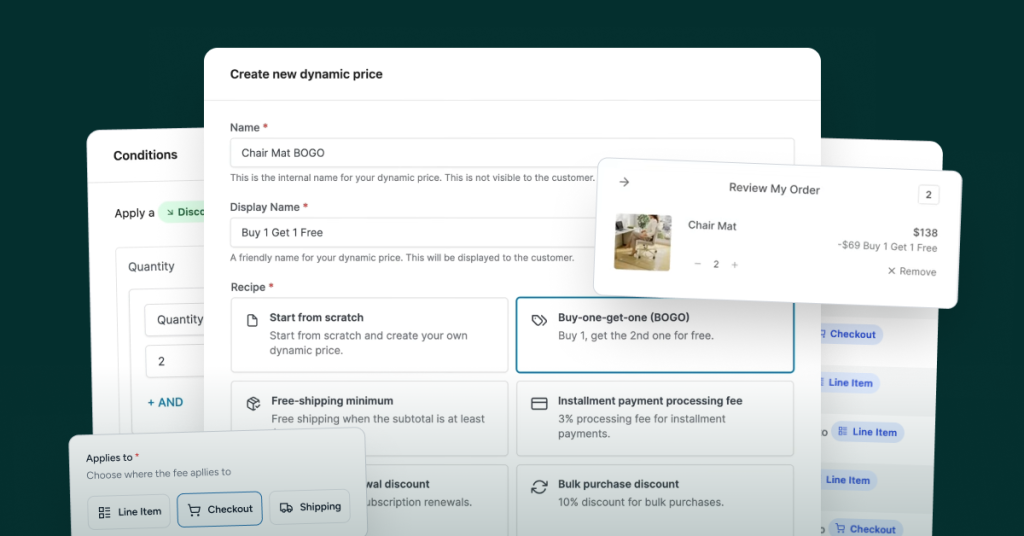
What changed: Dynamic Pricing introduced rules for discounts, fees, bulk pricing, BOGO-style offers, and customer-specific pricing at checkout. Merchants can change how a price behaves without rebuilding the catalog.
Custom-amount invoices extended that flexibility beyond the product catalog. Merchants can create an invoice for a specific amount or let the customer name the price, which is useful for donations, custom services, and one-off charges that do not fit a standard product price.
Checkout became part of the conversion story too. Order bumps became more visible in the slide-out cart and gained refreshed presentation and preview controls. Automatic login prompts, one-time access-code login, checkout-form duplication, and better field, focus, phone, and PayPal behavior made it easier to shape a buying flow that fits the store.
Product Reviews added trust at the point of decision. Customers can leave star ratings and written reviews, merchants can request reviews after purchase, and verified reviews can appear on product pages, checkout pages, or other contexts through shortcodes. Because reviews are managed inside SureCart and tied to the product and its pricing options, merchants can put proof next to the buying decision without adding a separate reviews plugin. Later maintenance also corrected review pagination states and unfilled rating stars, showing the team carried the feature from launch into reliability work.
Affiliate tracking became more resilient as well. In 4.9.0, clicks route through the merchant’s own site, reducing the chance that ad blockers drop the click before attribution is recorded. Earlier in the year, the affiliate portal added support for multiple referral URLs, so partners can send traffic to different campaigns or destinations while keeping those referrals attributable. Together, these changes make partner-driven revenue easier to measure and optimize.
Accepted post-purchase upsells can now be counted in Google and Facebook conversion reporting. That closes the gap between the initial checkout and the extra revenue created after purchase, so merchants can see the full value of an upsell instead of losing the event after the first transaction. Shop Page SEO also improved: search engines no longer crawl endless filter and sort variations, which keeps unnecessary URL variations out of search results and leaves the main shopping pages easier to discover.
What this unlocks: better offers, less checkout friction, and more confidence before purchase, the three levers that turn a visit into a sale.
- Show the right offer at the right moment
- Reduce unnecessary work at checkout
- Give new customers more confidence before they buy
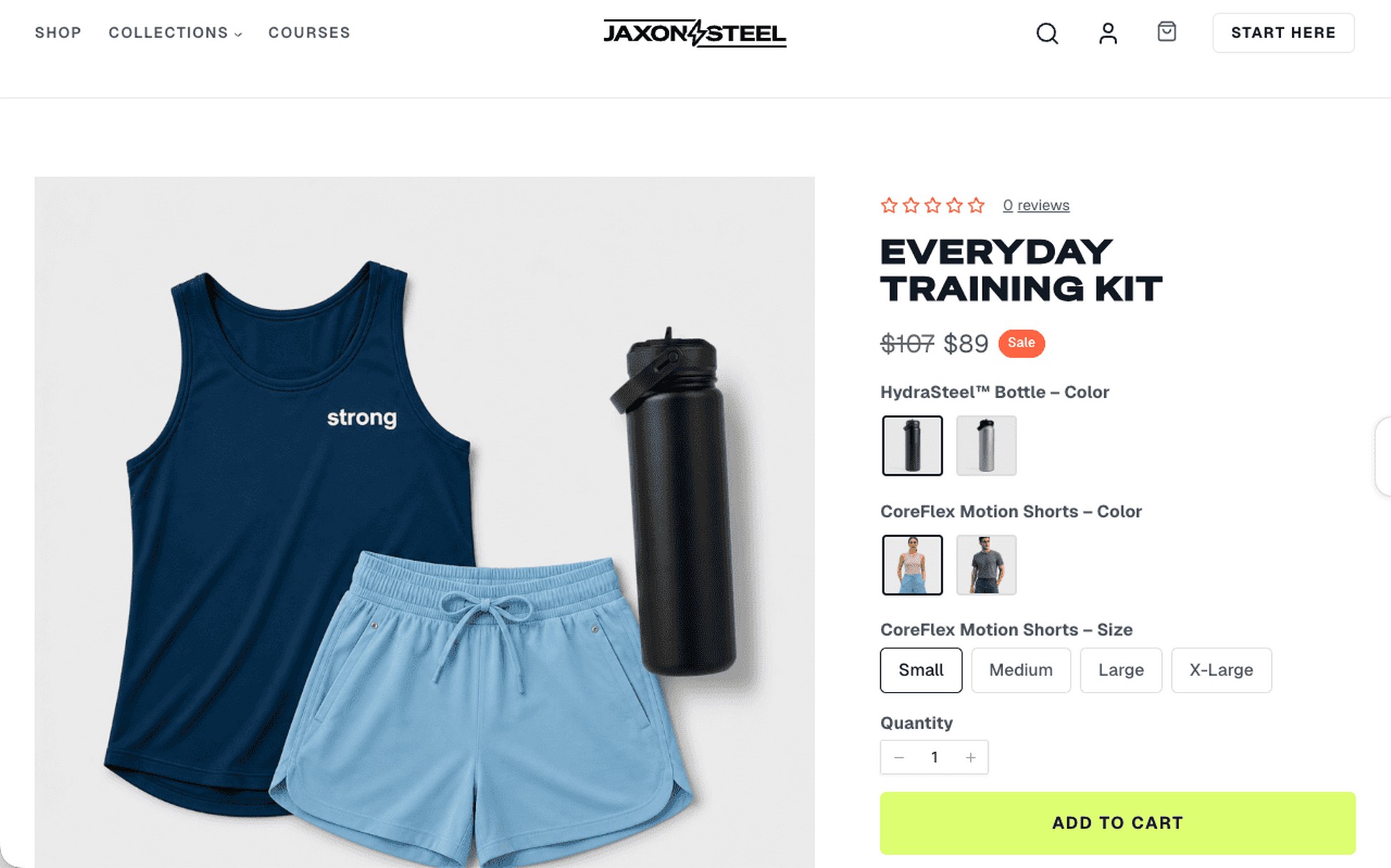
What changed next: Product Bundles let merchants combine products, prices, and variants into one purchasable package for starter kits, services, courses, seasonal offers, and product-plus-addon combinations.
What it means: the store can increase the value of an existing purchase without making the offer harder to understand.
AI, MCP, and store operations
Why this update mattered: AI is most useful when it helps a merchant complete real store work, with clear permissions and control, not when it is only a talking point.
What changed: The Abilities API created a foundation for AI-powered store management, and the MCP Server gave compatible tools a direct way to connect with products, invoices, coupons, and other supported actions.
What became possible: advanced MCP filters can narrow orders, customers, and subscriptions so an assistant can work on the right records instead of treating the entire store as one undifferentiated dataset. The developer-facing MCP Server connects SureCart to AI clients such as Claude, Cursor, VS Code, and Continue, while the 4.9.1 Custom GPT integration gives merchants a direct ChatGPT interface for supported store tasks. That means the same store can be operated through structured AI actions or a conversational workflow, depending on who is doing the work. The WordPress.org plugin changelog dates the Custom GPT release to September 30, keeping it within this January through September retrospective.
The same operational direction appears in Data Views, SPA-like navigation, import and export actions, Email History, Taxes reports, payout workflows, and Learn. In the September 4.9.1 release, Import and Export were consolidated into one menu on modern admin list pages, and exports became available directly from the dashboard. These changes make the admin feel faster to inspect and easier to act on.
What it means: SureCart is connecting intelligence, automation, and administration around the work merchants already need to do.
Payments, pricing, tax, and global commerce
Why this update mattered: selling across regions should not force a merchant to create separate products, storefronts, or manual workarounds for every market.
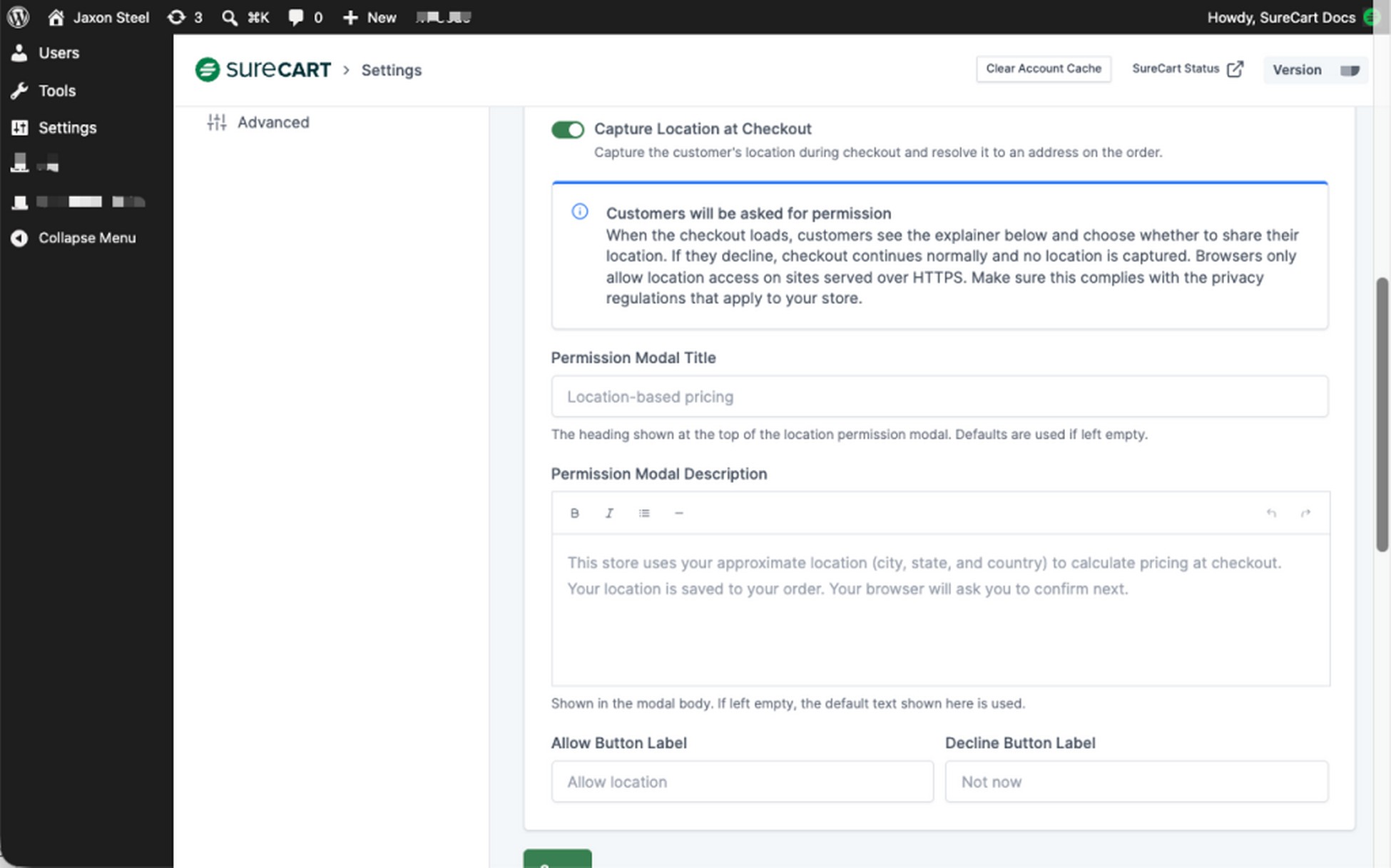
What changed: SureCart added native Razorpay support for India, recurring Razorpay UPI payments, and Address Autocomplete for more accurate, lower-friction checkout and fulfillment data.
Regional pricing made global selling more practical: merchants can adapt prices by customer country without duplicating products or maintaining separate storefronts.
Tax and compliance work completed the picture. Stacked taxes, custom labels such as GST + PST, contextual Tax ID placeholders, and clearer receipts make the result easier to understand. The EU Helper plugin can now be activated from the Integrations page with one click, making EU compliance setup easier to discover and configure.
What it means: one connected store can serve more markets while the customer sees a more relevant payment, pricing, address, and tax experience.
Shipping and fulfillment
Why this update mattered: physical commerce does not end at payment. Merchants need the product, package, carrier, warehouse, label, and tracking experience to work together.
What changed: product and variant dimensions, parcel creation, live Shippo rates, label purchasing, warehouse locations, and customer shipment tracking connected setup to fulfillment.
Merchants can manage multiple ship-from addresses, separate test and live shipping modes, and give customers shipment visibility from their dashboard.
What changed again: bulk label purchasing lets merchants select multiple orders, compare rates, and buy labels together instead of opening orders one at a time.
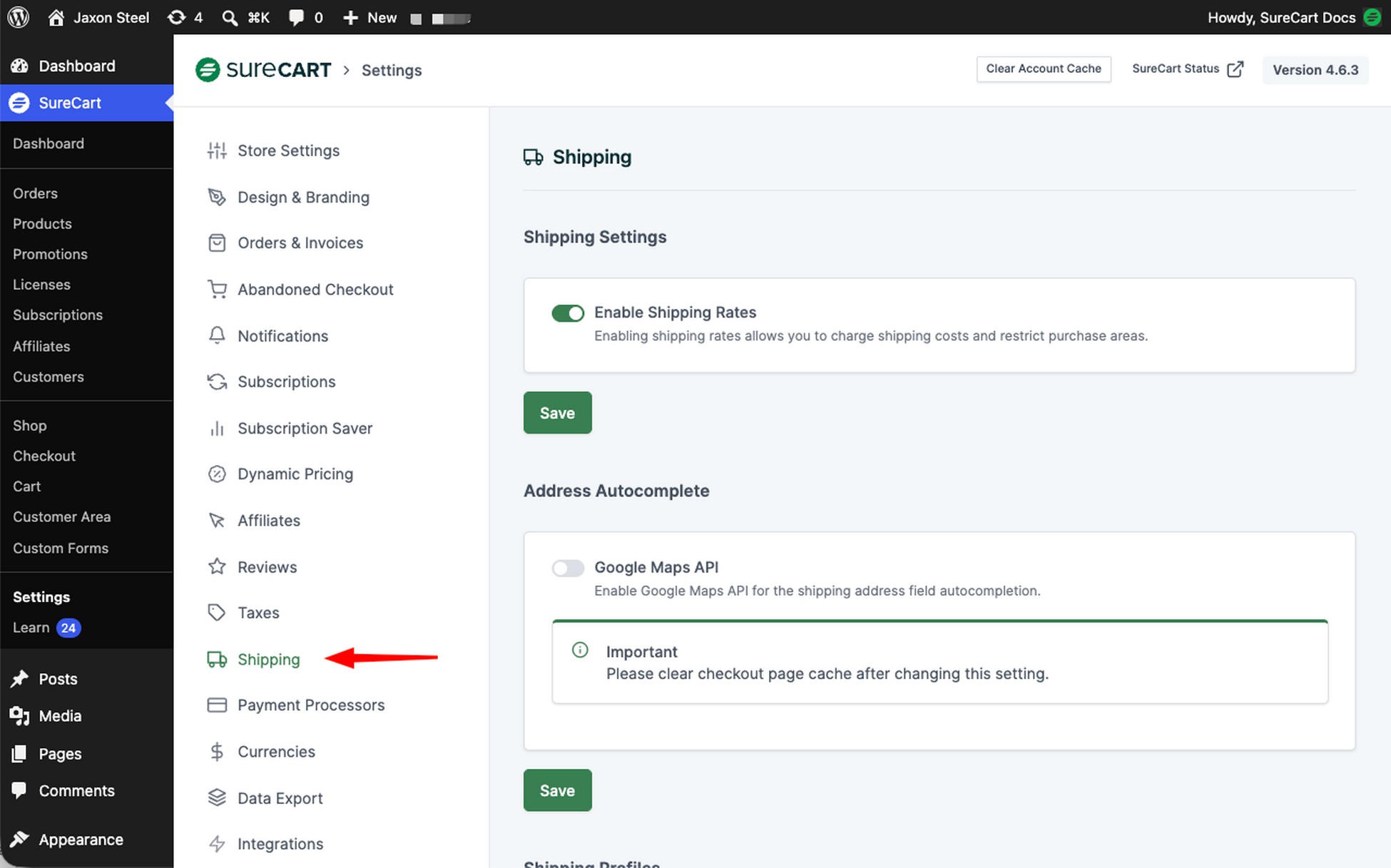
What it means: SureCart now connects the order to the delivery process, not just the payment.
Product catalog, variants, and merchandising
Why this update mattered: a growing catalog creates friction for both sides of the store, merchants need control, and shoppers need to choose the right product without leaving the buying flow.
What changed: Products and Collections adopted modern Data Views with search, sorting, filtering, and bulk editing. Modern list views and client-side navigation made the wider admin faster to move through.
Getting started became more practical through WooCommerce product imports, safer migration behavior, and a “Start With a Complete Site” onboarding path with ready-made starter sites.
For shoppers, Variant Pills and Buy Buttons can sit inside Product Lists so customers can choose the version they want without leaving the list. Variant Downloads made that model meaningful for digital products and software: each variant can deliver its own download files and licensing, so different editions, tiers, or access levels can be sold from one product instead of being split into separate products. Dimensions and clearer product structures support the merchant behind that experience.
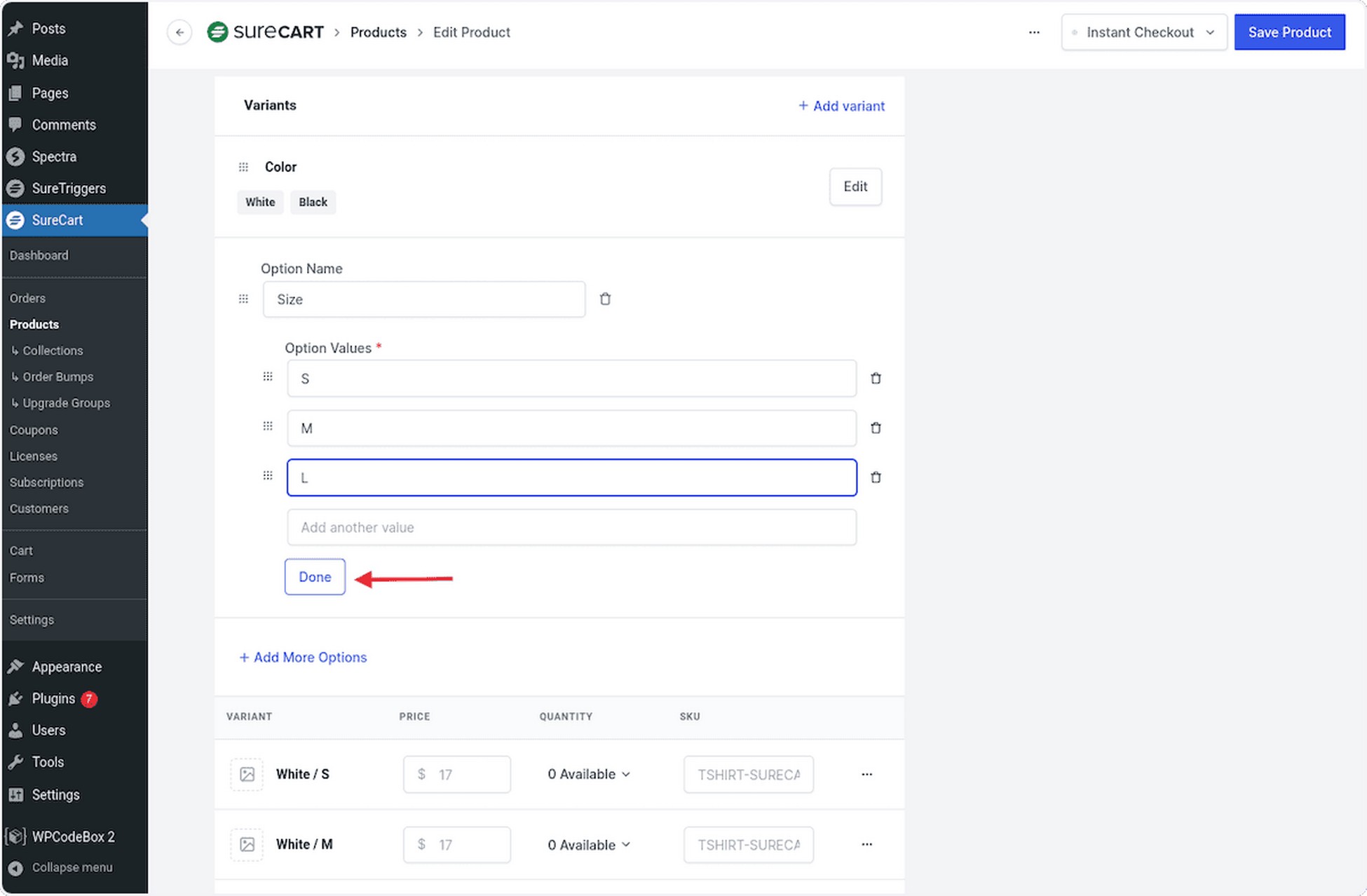
What it means: merchants can manage more catalog complexity while customers make product choices with fewer interruptions.
Subscriptions and customer lifecycle
Why this update mattered: Subscription merchants need clear reminders, pause states, renewal safeguards, and customer actions so recurring revenue does not become recurring confusion.
What changed: SureCart improved reminder rescheduling, subscription reports, pause-state clarity, renewal safeguards, customer-dashboard actions, and handling for missing or past-due subscriptions. The result is a clearer path through renewal, pause, and account management, with fewer surprises for both merchants and customers.
Performance, compatibility, accessibility, and security
Why this update mattered: every new capability has to survive real WordPress sites, real plugins, real caches, real browsers, and real security expectations.
Performance work covered cache compatibility and first-party integrations for WP Rocket, Perfmatters, and SiteGround Optimizer. Query, block-registration, translation, shop-page, Quick View, and large-variant performance all received attention.
Compatibility work kept the platform current across WordPress 7.0 and 7.1, Bricks, Elementor, WooCommerce migrations, TutorLMS, Astra, browsers, mobile layouts, PHP versions, address formats, and payment providers.
Security was handled continuously across access controls, product integrations, subscriptions, orders, license activations, checkout account creation, WooCommerce imports, and batch permissions. Subscription reminders, pause states, renewal safeguards, dashboard actions, and past-due handling also became clearer for customers.
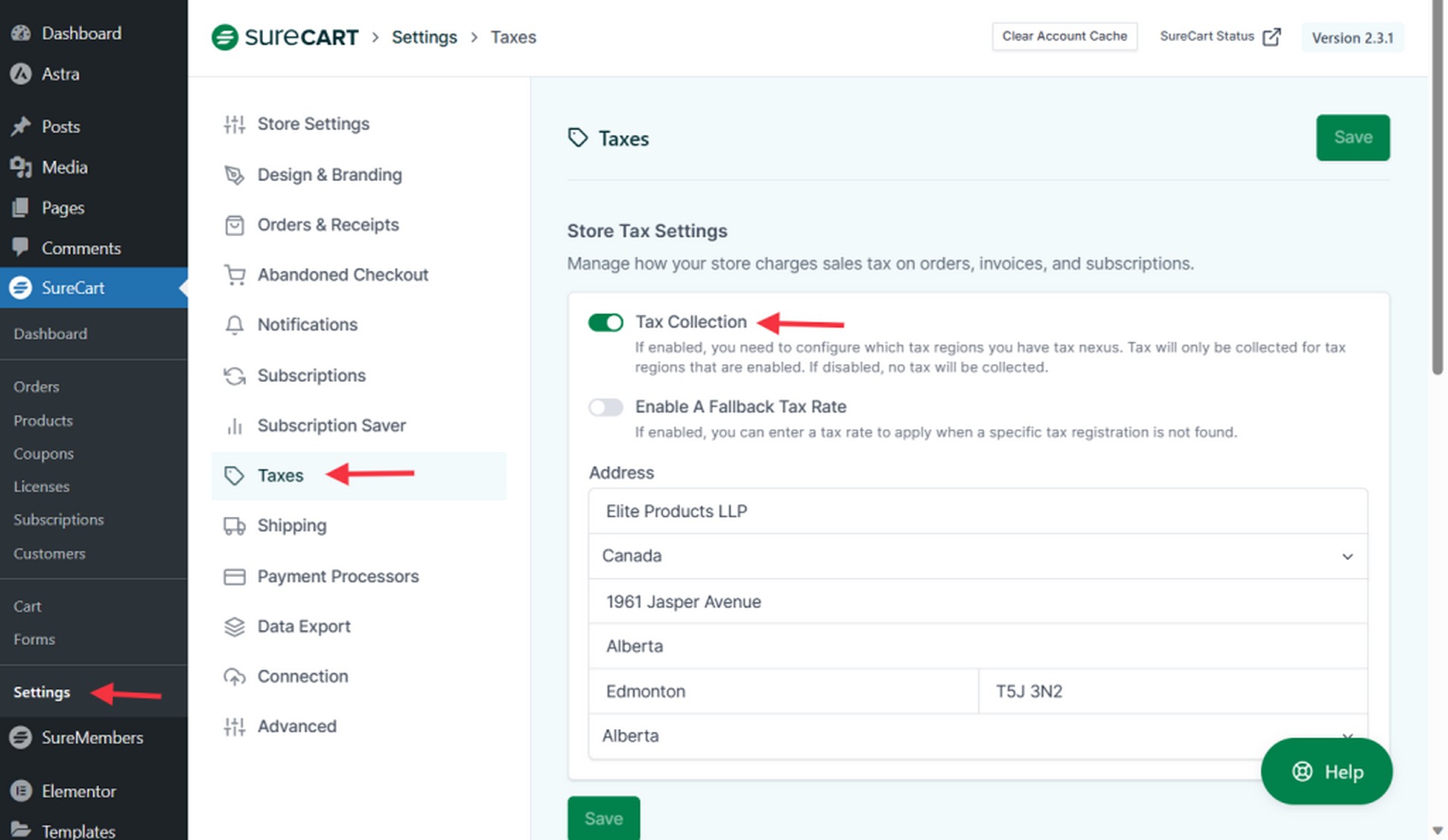
What it means: the product gets faster, safer, more accessible, and more predictable as the ecosystem around it changes.
The details that make a big platform trustworthy
Headline features earn attention, but confidence comes from the details merchants and customers feel every day. These smaller updates close the loop between a capability being announced and that capability being dependable in production.
A smoother buying experience
PayPal button behavior, postal-code validation, focus rings, mobile layouts, country and state selectors, customer-dashboard messages, order summaries, checkout translations, and review controls all received fixes or refinements.
A cleaner catalog and content workflow
Product media, product templates, block-editor previews, shortcodes, variant stock states, product-list filtering, collection syncing, downloads, and WooCommerce migration behavior were tightened across the year.
A clearer admin and reporting experience
Tax reports, email history, subscription tables, editable order metadata, affiliate profile management, payout workflows, currency settings, timezone handling, and faster navigation made store operations easier to inspect and maintain.
A platform that keeps up
Caching integrations, WordPress version checks, accessibility improvements, translation handling, PHP compatibility, permission checks, import safety, and SEO controls helped the product behave more predictably across real-world WordPress sites.
This is the work that keeps a product from becoming a collection of impressive but fragile features. Every small fix closes the loop between a merchant finding a problem and being able to run the store with confidence.
How SureCart has grown into a complete eCommerce platform
SureCart now supports the full commerce journey inside WordPress. Merchants can build products and variants, create bundles and offers, take payments, adapt pricing by region, handle subscriptions, collect reviews, and improve conversion without stitching together a stack of disconnected systems.
The product has also moved beyond the moment of checkout. Physical products can move through dimensions, parcels, live rates, warehouses, labels, and tracking. Store operations can be managed through Data Views, reports, imports, admin navigation, and AI-connected workflows. Customers get clearer checkout, account, subscription, and delivery experiences along the way.
That is the bigger story of 2026: SureCart is becoming a complete eCommerce platform for building, selling, fulfilling, and growing a business. The team is not only adding features; it is making the whole system more accessible to start with, more powerful to grow with, and more dependable to run every day.